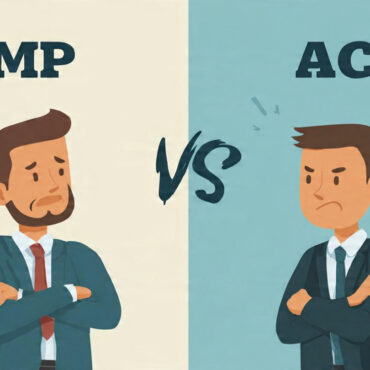
When we talk about Project Managers, the role is commonly associated with discipline, structured processes, established practices, methodologies, strong communication, and effective leadership. In many of my internal discussions with team members about their career aspirations, a large number have expressed the goal of becoming Project Managers as they advance in their professional journeys.
Resources frequently seek guidance on the roadmap to becoming a Project Manager. While there are some “accidental” paths, such as the one I described in my article “How and Why I Became a Project Manager?”, there are generally two well-established career paths into the Project Management profession.
The first and more structured path begins with an entry-level PMO role, typically as a Project Coordinator, and progresses gradually toward the Project Manager position. This path is most commonly chosen by professionals who have intentionally decided to pursue Project Management as a long-term career. It is relatively straightforward and involves fewer deviations.
In this path, a resource usually starts at a foundational level, performing basic project support activities. As experience grows, supported by training, certifications, and exposure, the individual progresses through successive roles. While titles and structures vary by organization, the typical progression includes Project Coordinator, Senior Project Coordinator, Associate or Assistant Project Manager, Project Manager, Senior Project Manager, and eventually PMO Head or Director.
Until the Associate or Assistant Project Manager level, most responsibilities remain supportive in nature. These include tasks such as data gathering, scheduling meetings, documenting minutes, following up on actions, and maintaining project records. Full ownership of project delivery responsibilities typically begins at the APM level or higher. At senior levels, the focus often shifts toward managing multiple Project Managers and overseeing PMO standards and practices.
The second and more common path involves transitioning into Project Management from a non-PMO role, such as software development, engineering, or operations. In many cases, Project Management responsibilities are initially added on top of the individual’s primary role. Historically, this was the most prevalent path, especially before organizations recognized the value of dedicated Project Management professionals.
This path usually begins with a resource excelling in a functional role, gradually taking on team leadership responsibilities, and eventually managing multiple teams or workstreams. Over time, as the individual assumes many of the practical responsibilities of a Project Manager, a formal role transition occurs. While effective in some cases, this transition presents unique challenges, which I have discussed in my article “The Technical Project Manager.”
Today, Project Management governing bodies across the globe increasingly emphasize the importance of foundational project management knowledge and hands-on experience before formally certifying individuals as Project Managers. This shift reflects the growing recognition that successful Project Management requires not only domain expertise but also a disciplined understanding of frameworks, methodologies, and leadership principles.