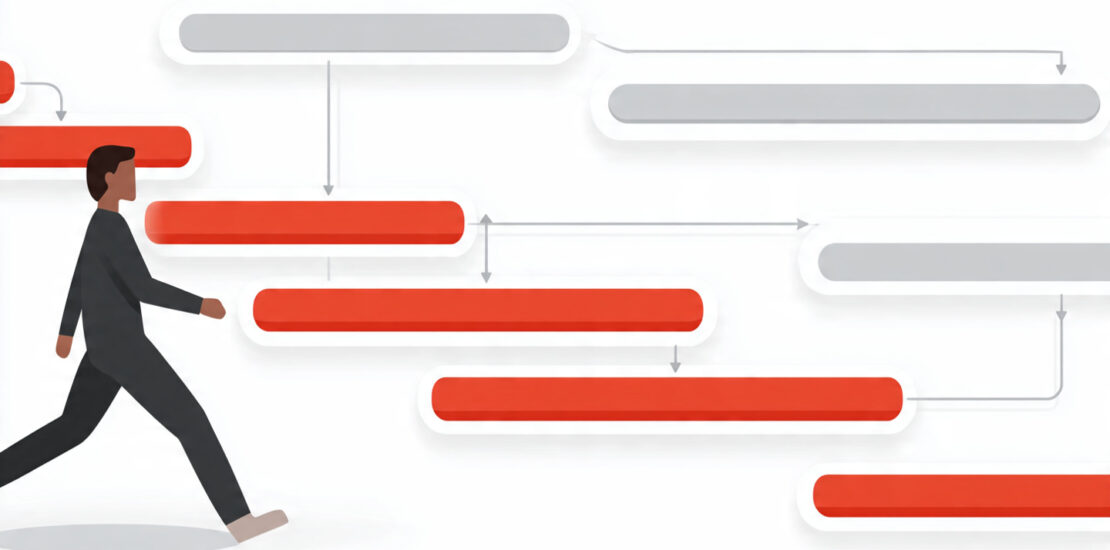
The most common cause of project delays, particularly in the Waterfall model, is scope creep. This typically stems from an unclear or insufficiently defined scope at the outset. It is a natural and common limitation that stakeholders are unable to visualize all requirements fully during the initial or early stages of a project. Regardless of the effort invested, achieving a perfectly defined scope so early is almost impossible.
This is where Agile methodologies demonstrate a clear advantage over the Waterfall model. Agile introduces the concept of Progressive Elaboration, which closely aligns with natural human behavior and is therefore far more practical. Progressive Elaboration is a straightforward concept centered on evolution, discovery, and the gradual refinement of requirements as the project progresses. Changes and refinements are expected and welcomed, even in later stages of the project.
There are several reasons why requirements change or evolve during execution. The most common reason, as discussed earlier, is that requirements were not fully clear at the project’s inception. Often, requirements or solution concepts are initially defined by one individual, while the current Product Owner may not possess the same level of understanding or vision. As a result, gaps in clarity emerge as the project unfolds.
A closely related issue is ownership of requirements. In some organizations, particularly government entities, frequent personnel changes lead to regular changes in Product Owners. When a new Product Owner assumes responsibility, there is a significant likelihood that they may not align with the strategy or decisions of their predecessor. In some cases, the new Product Owner may even hesitate to take ownership of work that has already been completed.
Another common scenario arises after a portion of the solution has been successfully delivered and accepted by the customer. Once the customer receives what was initially requested, confidence increases on both sides. With this increased confidence, innovation begins to emerge, and new ideas and “good-to-have” features start to surface. While this situation is less common, it is generally a positive outcome. Agile methodologies are well-suited to support this dynamic by enabling short, regular deliveries and continuous feedback. Customers can see a working solution early, identify gaps or issues promptly, and refine their expectations. As confidence builds, subsequent iterations benefit from a clearer vision and more innovative scope.
In some cases, elaboration of one requirement leads to the identification of additional supplementary or mandatory work. Similarly, certain activities are intentionally planned as exploratory efforts, with future work dependent on the outcomes and decisions derived from those efforts.
Frequently, elaboration in later stages takes the form of technical spikes, introduced to address newly discovered technical challenges encountered during execution. Such work is typically classified as high priority, as dependent tasks may otherwise be impacted, potentially causing delays to the schedule baseline.
Finally, some requirements are elaborated to gain competitive advantage or to meet marketing objectives. While these requirements are generally identified with sufficient lead time, last-minute changes of this nature can still be critical and must be accommodated when strategically necessary.